
Episode
36
Helen Murphy, Opply, on Why DTC Brands Miss 80% of the Market

Summary

Transcript

Guest Details

Watch on YouTube
Helen Murphy spent a decade at Procter & Gamble and Bain while building a baby food brand on the side. She sold it to her co-manufacturer in the Middle East, after a shipping bill quadrupled overnight and nearly finished it. In 2021 she co-founded Opply, which runs more than 200 AI agents across sourcing, ordering and forecasting for small food and drink brands.
Her central claim: online-focused brands are fighting over the smaller share. She puts ecommerce at around 20% of food and drink, and says brands without a retail listing do about a fifth of the sales of those with one. From there, a working education in getting listed. A buyer cares whether their category is growing, not how much you love your product, and passion-led pitches end with "I'll be in touch". She walks through the negotiation method she learned at P&G, and names the costs brands carry unknowingly, starting with who pays for the promotional stand.
The second half is what breaks. A box left unticked on a supplier form meant pallets could not come off the truck, and Helen says 20 to 30% of deliveries were rejected or rerouted until standardising the form took it to zero. She explains why Opply turns large brands away.
This episode is for founders chasing a listing, and anyone in supply operations.
About Opply
Opply is a London-founded operations platform for small and medium food and drink brands. Its AI agents handle sourcing, supplier relationships, order management and forecasting, the work that usually pulls founders away from growth. Co-founded in 2021 by Helen Murphy and Martin Postel, it raised a $4m seed in 2022 and is expanding in the US.
Jamie Hamer
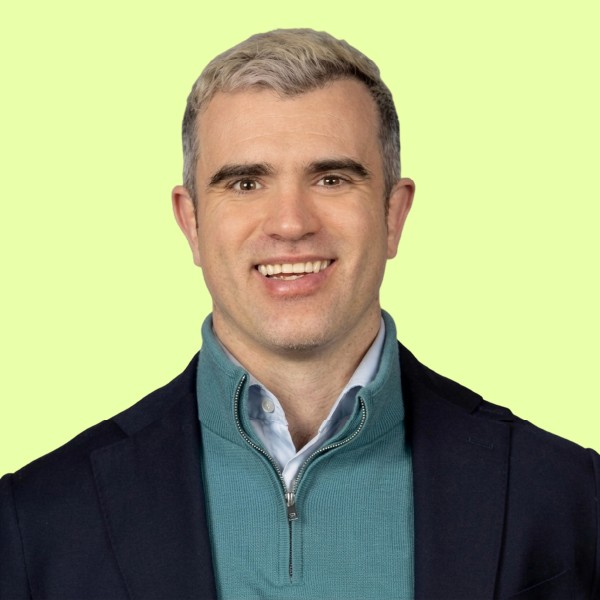
Host, Retail is Detail Podcast
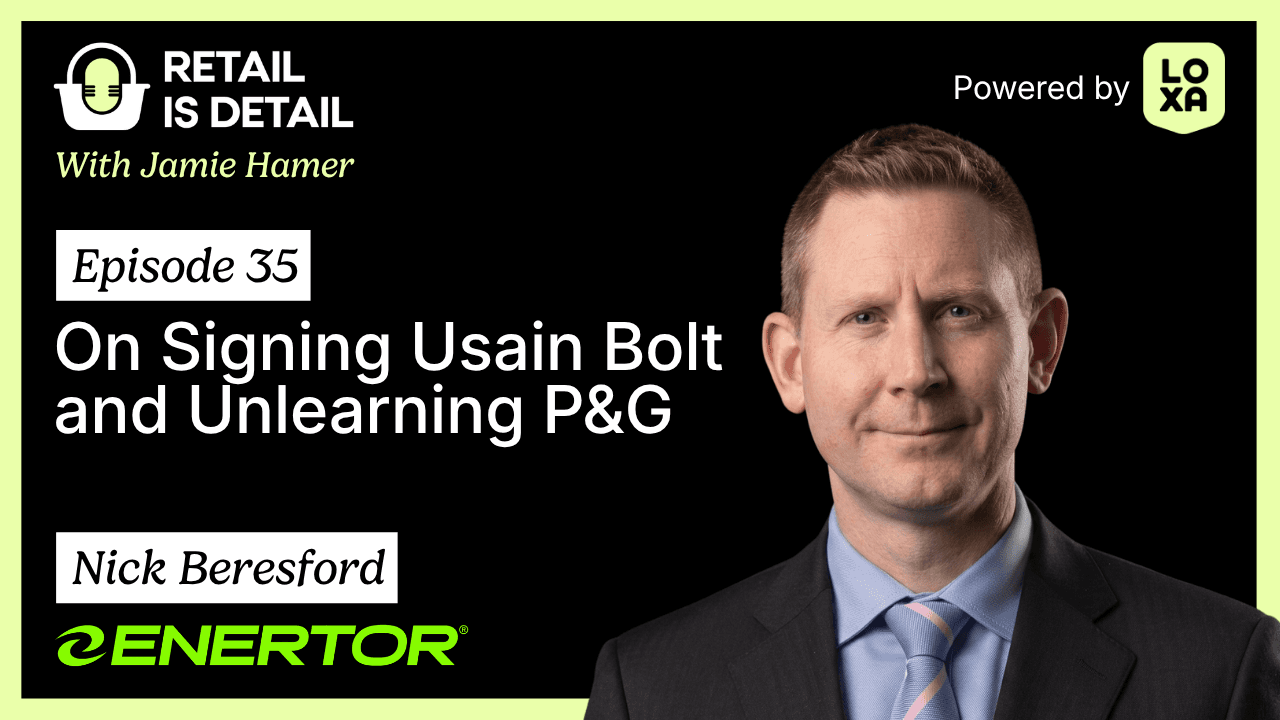
Nick Beresford, Enertor, on Signing Usain Bolt and Unlearning P&G
Nick Beresford left P&G to sell insoles from Ipswich, and within a year Usain Bolt was on the shareholders' register. He explains the launch that nearly killed Enertor, and what he had to unlearn.

Alex Ayin, Tomorrow's Potential, on the Critical Non-Essentials That Win Retail
Alex Ayin helped build Social Chain and scale THG before founding Tomorrow's Potential. He argues the critical non-essentials, the trivial-looking moves business school ignores, decide which retailers end up number one.

Ashley Hainsworth, Bed Kingdom, on What AI Should Never Replace in Retail
Ashley Hainsworth of Bed Kingdom has put AI into every department of one of Britain's fastest-growing retailers. He explains exactly where he draws the line, and why over-automating loses customers, not gains them.