

Episode
19
Ethan Burnett, Salesfire, on Retention, Post-Purchase Growth & Smarter CRM

Summary

Transcript

Guest Details

Watch on YouTube
Most retail CRM is busy work dressed up as strategy.
Personalisation is talked about constantly, yet customers are still served generic emails, lazy welcome flows and relentless discounting. The result is short-term conversion at the expense of long-term trust. This conversation with Ethan Burnett, Senior Email Strategist at SalesFire, challenges many of the habits retailers treat as best practice.
The discussion cuts into why the first order is the most expensive one you will ever acquire, why post-purchase matters more than acquisition, and why open rates are one of the most misleading metrics in retail marketing. It also tackles cookie loss, anonymous traffic, overuse of SMS and WhatsApp, and how brands like ASOS win by removing friction rather than throwing discounts at customers. If your CRM feels noisy, underperforming, or built on outdated assumptions, this conversation will make you rethink it.
About Salesfire
Salesfire is a Middlesbrough-based SaaS platform helping ecommerce brands improve conversion through personalisation, on-site search, product recommendations, and retargeting. Founded in 2017 by Rich Himsworth, it is used by over 700 brands including Hamleys and Moss Bros, and has raised over £5 million in funding to date.
Jamie Hamer
Host, Retail is Detail Podcast

Helen Murphy, Opply, on Why DTC Brands Miss 80% of the Market
Opply's Helen Murphy on why shelf still beats screen, what retail buyers actually decide on, and the unticked box that stopped deliveries. Hear her thinking.
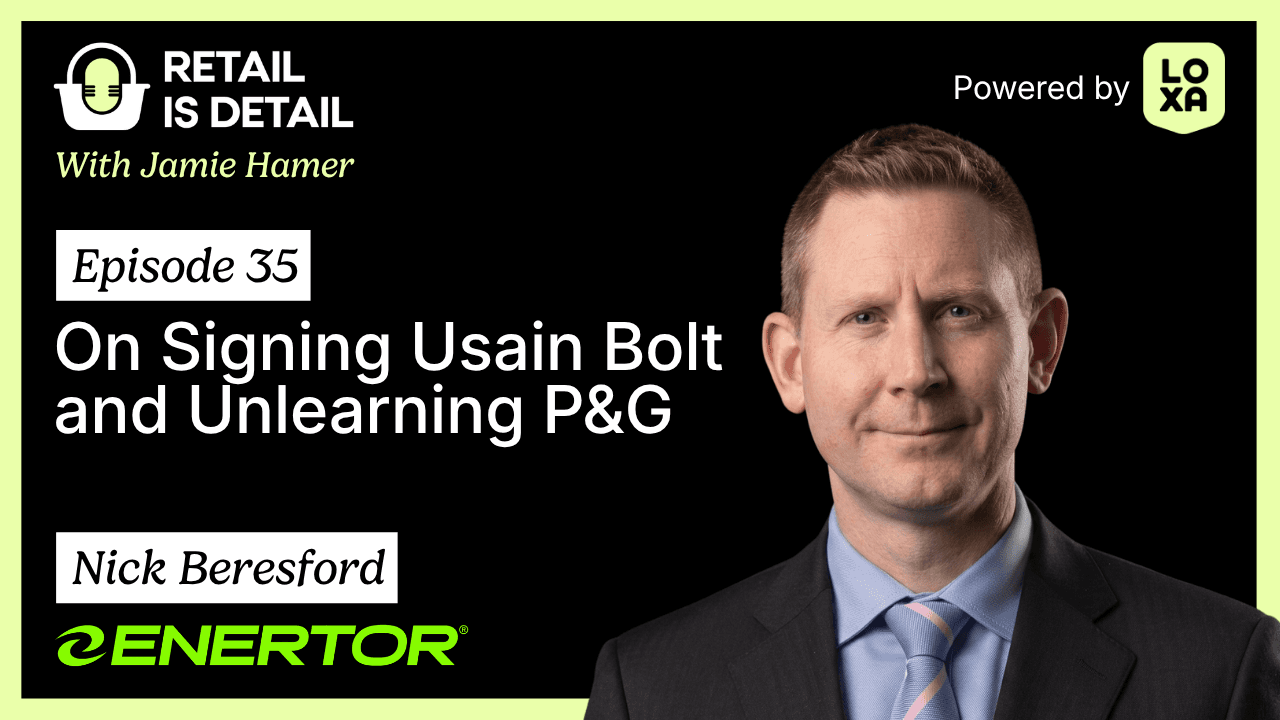
Nick Beresford, Enertor, on Signing Usain Bolt and Unlearning P&G
Nick Beresford left P&G to sell insoles from Ipswich, and within a year Usain Bolt was on the shareholders' register. He explains the launch that nearly killed Enertor, and what he had to unlearn.

Alex Ayin, Tomorrow's Potential, on the Critical Non-Essentials That Win Retail
Alex Ayin helped build Social Chain and scale THG before founding Tomorrow's Potential. He argues the critical non-essentials, the trivial-looking moves business school ignores, decide which retailers end up number one.