

Episode
16
David Woodland, Rowen, on ERP Chaos, Culture & the Future of Retail

Summary

Transcript

Guest Details

Watch on YouTube
In this episode, David Woodland, COO of Rowen Group, lifts the lid on what it really takes to run two of the fastest growing digital retail brands in the UK. From warehouse capacity problems to the reality of ERP switchouts, David shares the operational challenges that force leaders to rethink how their business actually works. He talks through the messy middle of tech projects, why the basics matter more than shiny tools and how retailers should choose between automating a touchpoint or keeping it human.
David also dives into leadership, culture and the psychology that drives both customers and teams. He explains why great retail managers are some of the most underrated leaders in business, why human connection still wins in a digital world and how brands like Rowen Homes and Pink Boutique continue to buck market trends. Packed with practical insights, this episode gives retailers a blueprint for thinking clearer, planning smarter and building a culture that can scale.
About Rowen Group
Rowen Group is a UK retail group encompassing Rowen Homes, a luxury furniture and homeware brand launched in 2020, and Pink Boutique, an online fashion retailer originally started with a £90 eBay investment. Both brands were built by entrepreneur Alice Rowen Hall, with operations based in the North East of England.
Jamie Hamer
Host, Retail is Detail Podcast

Helen Murphy, Opply, on Why DTC Brands Miss 80% of the Market
Opply's Helen Murphy on why shelf still beats screen, what retail buyers actually decide on, and the unticked box that stopped deliveries. Hear her thinking.
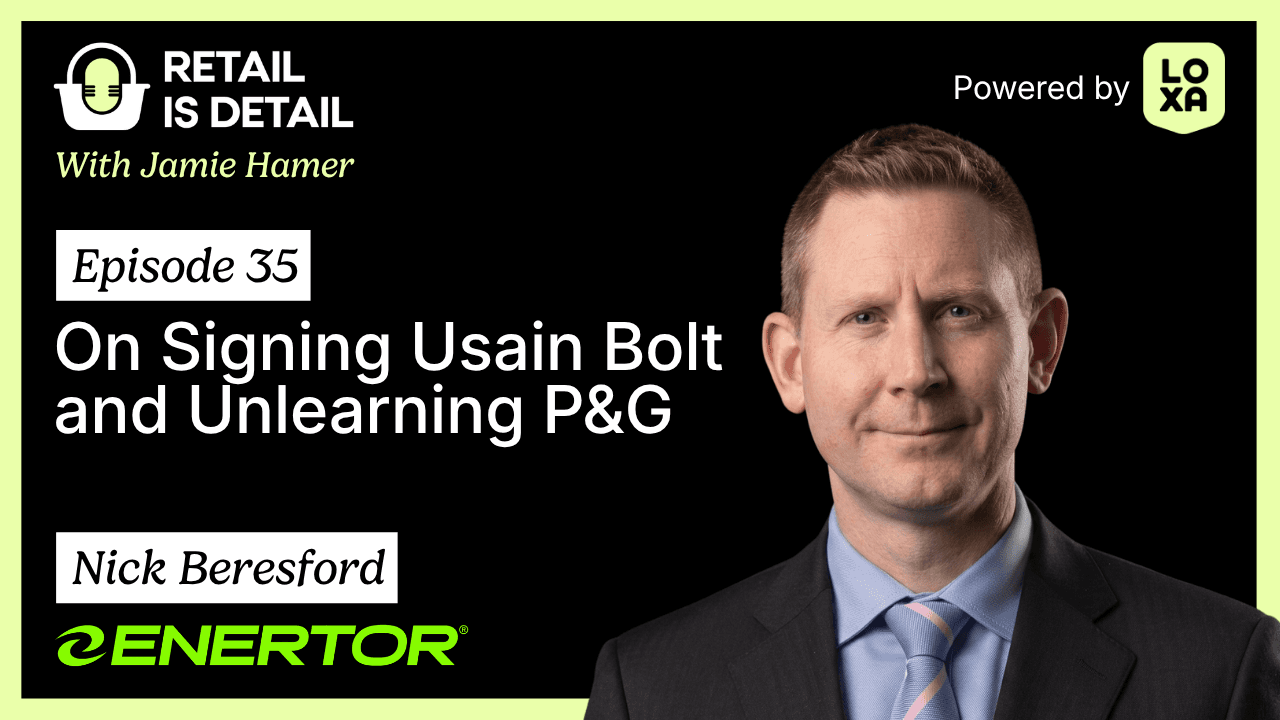
Nick Beresford, Enertor, on Signing Usain Bolt and Unlearning P&G
Nick Beresford left P&G to sell insoles from Ipswich, and within a year Usain Bolt was on the shareholders' register. He explains the launch that nearly killed Enertor, and what he had to unlearn.

Alex Ayin, Tomorrow's Potential, on the Critical Non-Essentials That Win Retail
Alex Ayin helped build Social Chain and scale THG before founding Tomorrow's Potential. He argues the critical non-essentials, the trivial-looking moves business school ignores, decide which retailers end up number one.